


What is an Automatic Transfer Switch?
An automatic transfer switch (ATS) is a device that automatically switches an electrical load between the main supply (e.g., the power grid) and an alternate supply (e.g., backup generator or secondary power supply) in the event of an interruption in service on the main supply. An ATS guarantees the power supply to essential equipment or other loads when there is no main electrical power source available. Hospitals, data centers, manufacturing facilities, and residences that experience frequent power outages rely heavily on the automatic transfer switch.
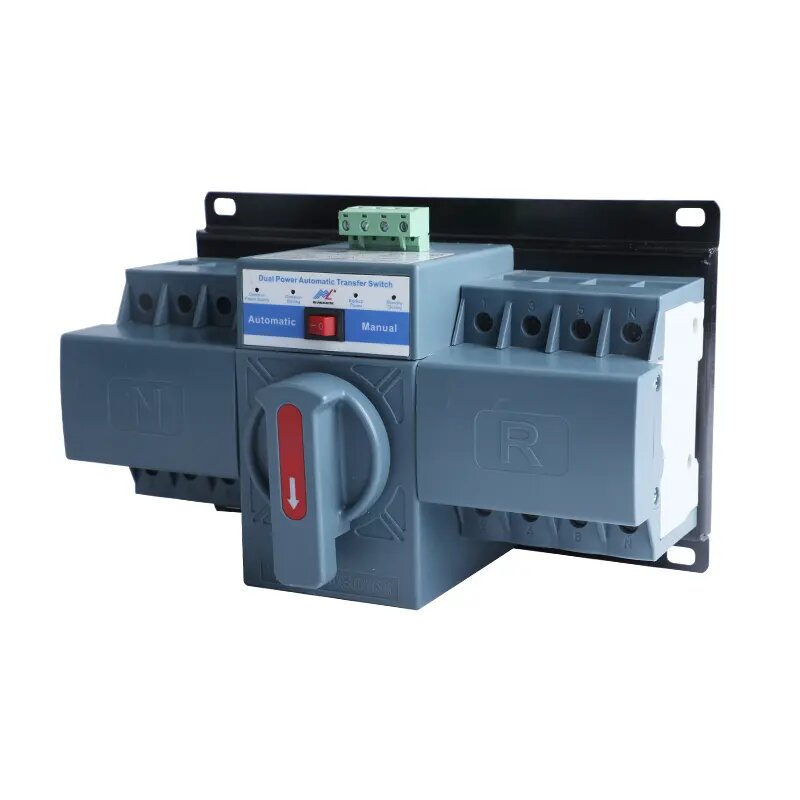
Types of Automatic Transfer Switches
There are several different types of automatic transfer switches depending on their intended application. Below is a summary of the different types of ATS and how they operate:
1. Open Transition ATS
An open transition ATS is also referred to as a “break-before-make” switch because it momentarily disconnects the load from the power source prior to being transferred to the alternate supply. Open transition switches are better suited for non-critical applications in which momentarily interrupting power will not have any serious side effects. The construction of open transition switches makes them less complicated and less expensive than closed transition switches, but they may not work well with sensitive equipment.
2. Closed Transition ATS
Closed transition ATSs are often referred to as “make-before-break” switches because when you transfer the load, you will have both power sources connected for a very short time before the load is fully transferred. They are particularly valuable in applications where a momentary loss of power would result in severe consequences like in hospitals, data centers, and critical industrial processes.
3. Soft Load ATS
Soft load transfer switches allow both sources to operate in parallel during the transfer, ensuring that there is no interruption in power to your facility. The use of soft load transfer switches is typical in applications where you are looking to share the load or gradually transfer the electrical load of your facility, like large industrial utilities.
4. Static Transfer Switch (STS)
Static transfer switches (STS) allow electrical loads to be transferred from one source to another instantaneously by the use of solid-state switching devices like thyristors or rectifiers. With STS, you will have no latency delay as you would have when using mechanical switches, which makes it the ideal choice for high-risk settings such as financial institutions or IT infrastructures, where every millisecond of downtime can be a major loss.
5. Bypass Isolation Automatic Transfer Switch
A Bypass Isolation ATS allows for redundancy and system maintenance. An auxiliary bypass mode is available that enables maintenance/testing without shutting down the supply of power. This remote access feature is typically found in applications that require high reliability and continual operation and so are very common in hospitals and critical data centers.
Things to Think About When Buying an ATS
When you are looking to purchase an ATS, you will need to think about your power needs, as well as the environment. Here are several things to keep in mind:
- Power Rating: Your ATS should match both the load requirements and generator size so as to not overload or create an inefficiency.
- Transfer Speed: Determine if the application can tolerate short interruptions or you need a seamless transfer of power.
- Environment: For outdoor applications or severe environments, get an ATS with hard shell and waterproof features.
- Automation & Monitoring: Some of the more advanced ATS models incorporate capabilities such as automatic load balancing, remote monitoring, and fail-safe protection, which all help to improve reliability.
- Compliance: Make sure that the ATS you have selected conforms to any and all industry-specific standards and regulations, whether that is with respect to safety or performance.
Common Questions About ATS
What Kinds of Power Sources Will an ATS Work With?
An ATS is capable of managing a variety of power sources such as utility grid, gas or diesel generators, or even renewable energy sources, such as solar power, depending on your specific configuration.
How Will an ATS Recognize a Power Loss?
The ATS is constantly monitoring the primary source of electricity. If an issue, such as a voltage drop, occurs, the ATS will switch to the reserve power source.
Do I Need to Have a Licensed Professional Install My Automatic Transfer Switch?
Yes. An experienced electrician or technician should install your ATS to avoid potential safety and functionality problems due to improper installation.
Can You Use One ATS for Multiple Generators?
Some advanced ATS have this integration capability, but it will depend on the specific ATS model you choose to acquire.
What Is the Typical Life of the Component?
Most ATS are designed for long-term use, with many lasting 20 years or more, as long as they are adequately maintained and operated within their designed parameters.
If you would like some more technical information or assistance in your selection of the correct ATS, please do not hesitate to reach out to our experts about your needs.
If you’re interested to learn the benefits of other solutions for power management, check out our product page.


