Date:Dec-19-2025
This innovative device is designed for seamless operation in 50/60Hz AC environments, with rated voltages up to 380V and operating currents ranging from 100A to 1600A. A key highlight of the ML-YJQ1 series is its manual operation function, ensuring rapid start of the fire pump in the event of a control circuit failure within the fire pump control cabinet. This feature is crucial for timely fire suppression, providing peace of mind in emergency situations.
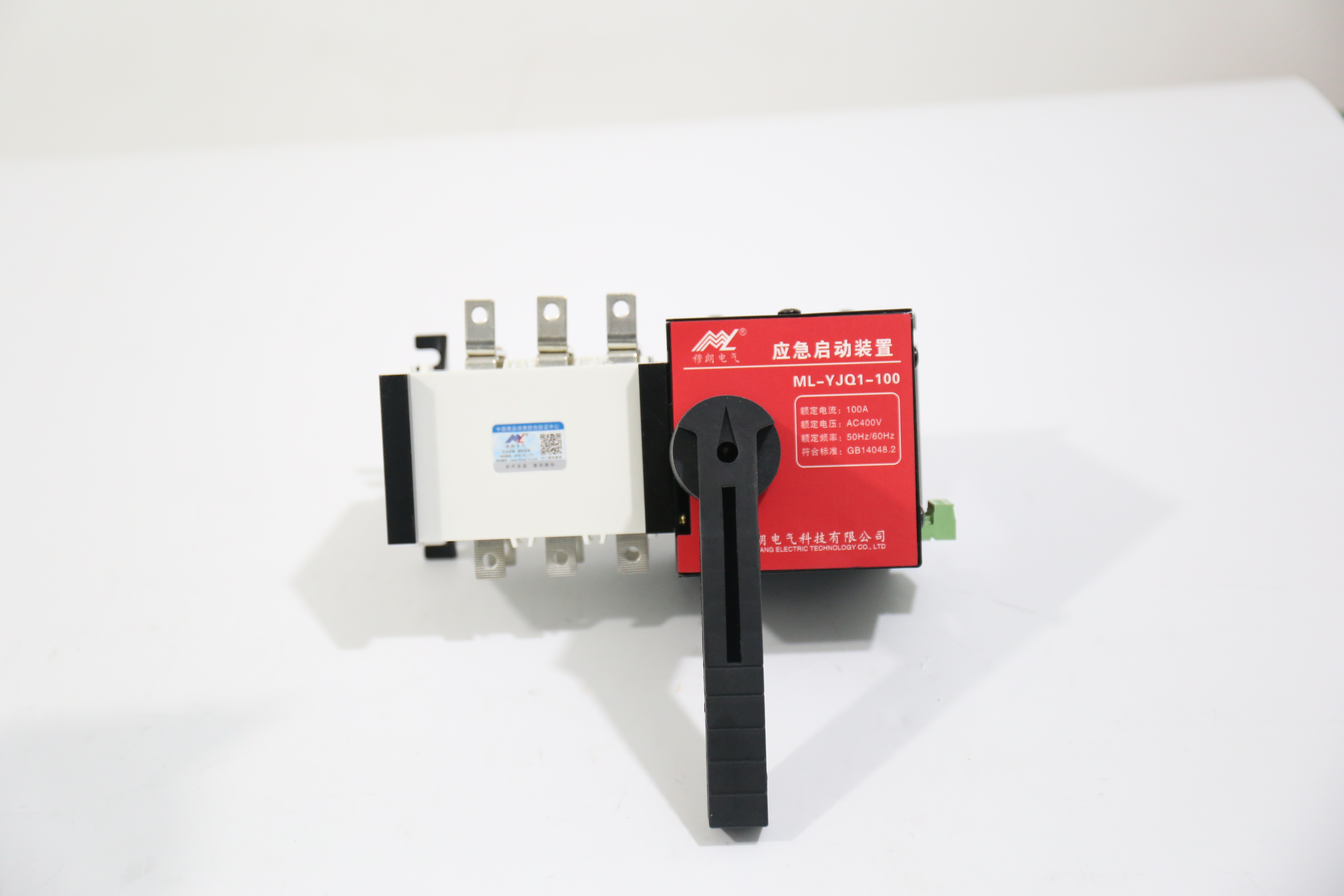
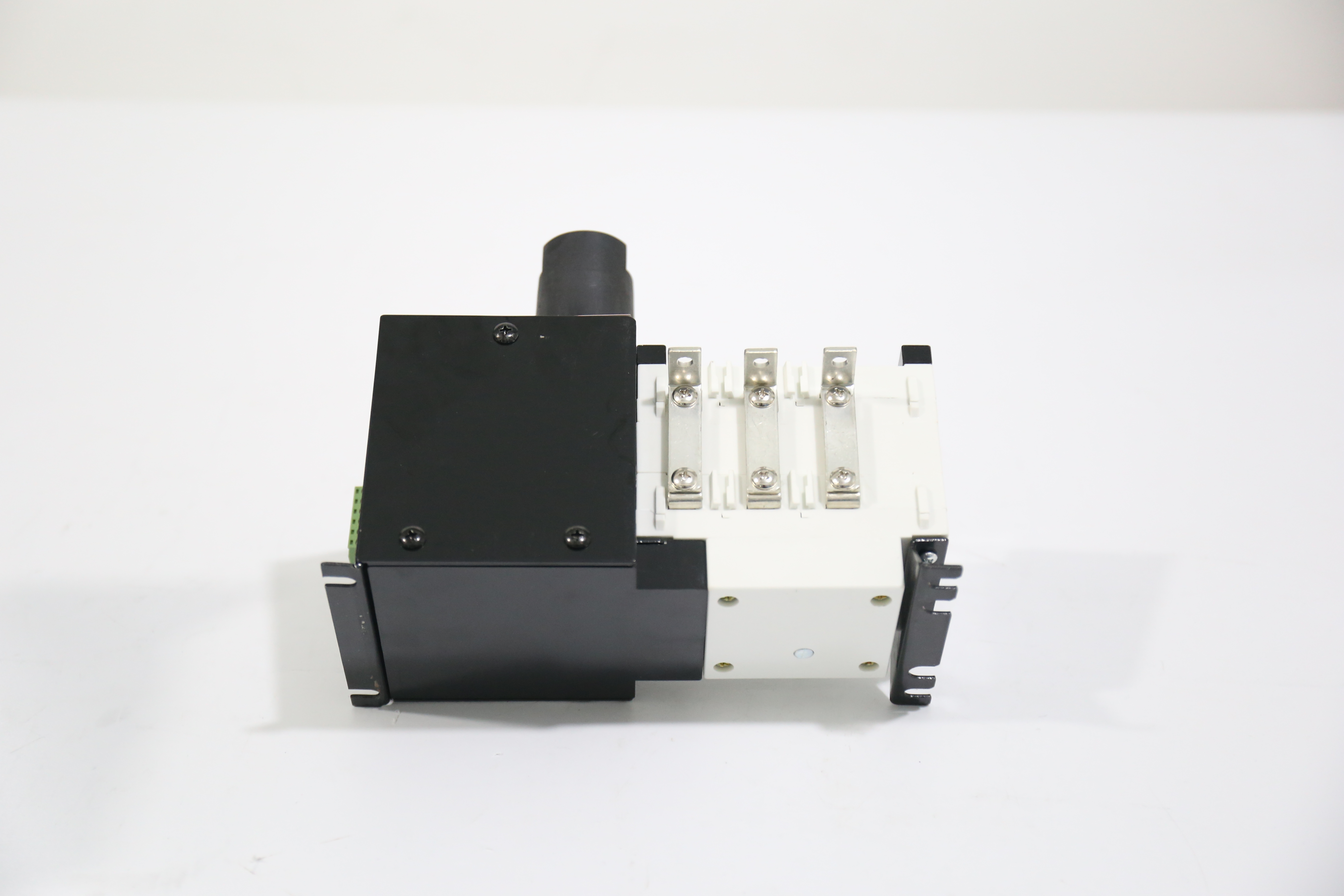
The ML-YJQ1 series offers two different models, each designed for specific operational needs. The G model offers a variety of rated current options, including 63A, 100A, 125A, 160A, 250A, 400A, 630A, 1000A, 1600A, and 2000A; the M model offers rated currents of 63A, 100A, 125A, 225A, 250A, 400A, and 630A. The device supports multiple starting methods, including star-delta starting (X), direct starting, soft starting, and autotransformer step-down starting (Z). Furthermore, the ML-YJQ1 series is designed for cabinet installation, ensuring a compact and organized installation layout. With its passive switching output and manual operation capabilities, this device is easy and efficient to operate, making it an indispensable component of any fire safety system.
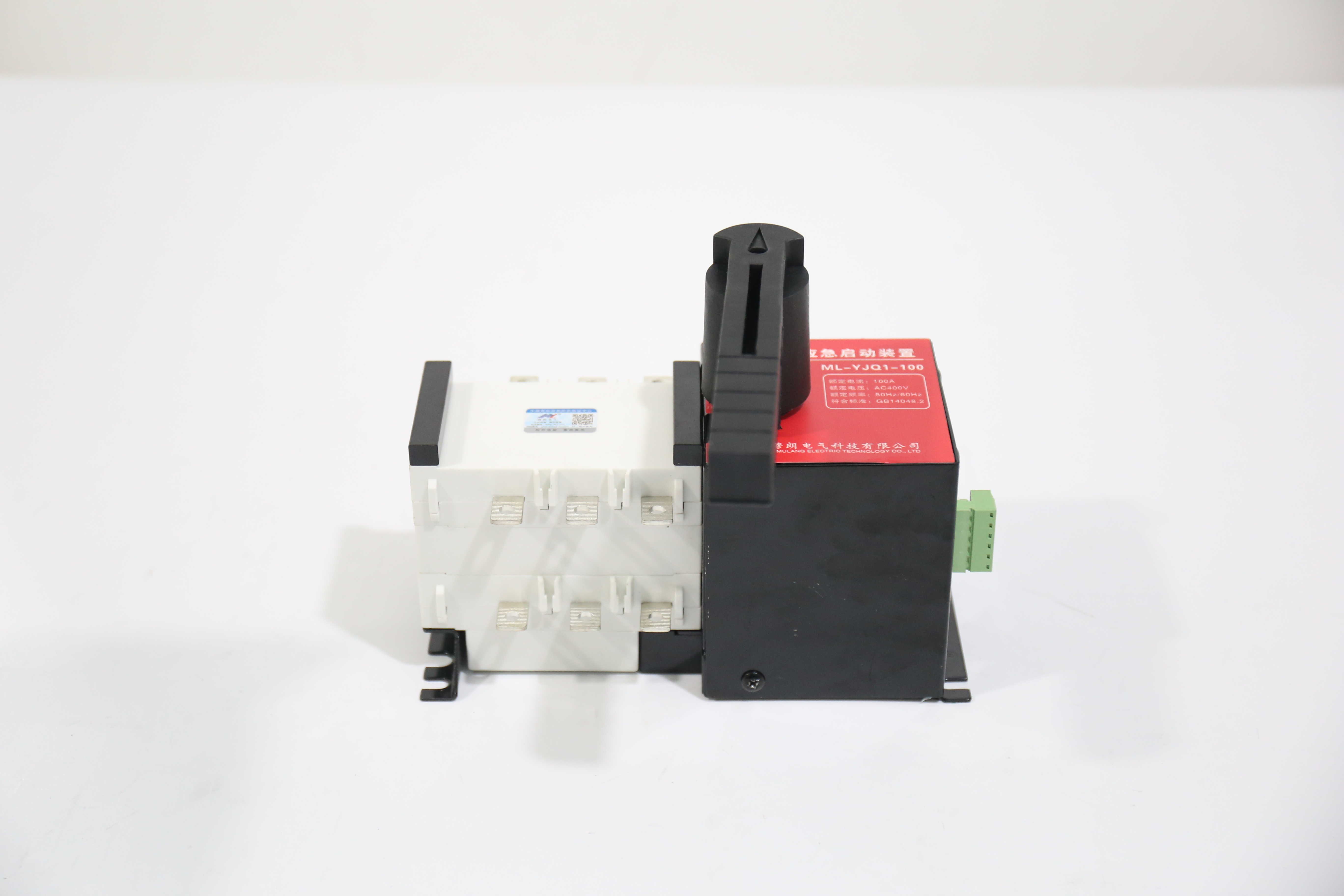
The ML-YJQ1 series is designed to withstand a wide range of environmental conditions, operating effectively in ambient temperatures from -20°C to +55°C and relative humidity up to 95%. It is suitable for areas below 4500 meters in altitude and can be installed at a +22.5° angle to the vertical. The device meets pollution level 3 standards, ensuring its durability and reliability in various environments. It is important to note that if the intended operating environment differs from the above standards, customers should inform us of their specific requirements before placing an order. The ML-YJQ1 series mechanical emergency start device is more than just a product; it represents our commitment to the safety and efficiency of fire protection systems, ensuring you are always ready for the most critical moments.
Contact us