Date:Mar-26-2026
The automatic transfer switch for a generator plays a crucial role in ensuring your home remains powered during an outage. This device connects your home’s electrical system to a backup generator and automatically transitions from the grid to the generator when a power failure occurs. When utility power is restored, the switch reconnects your home to the grid and shuts off the generator.
The beauty of an Automatic Transfer Switch (ATS) lies in its seamless operation. It eliminates the need for manual intervention, immediately switching your essential appliances like the HVAC system, lighting, and refrigerators. When paired with a whole house generator, an ATS provides uninterrupted power to your entire home, ensuring minimal disruption during outages.
Choosing the right ATS for your home is essential. Always consult a licensed electrician to ensure compatibility with your generator and electrical setup.
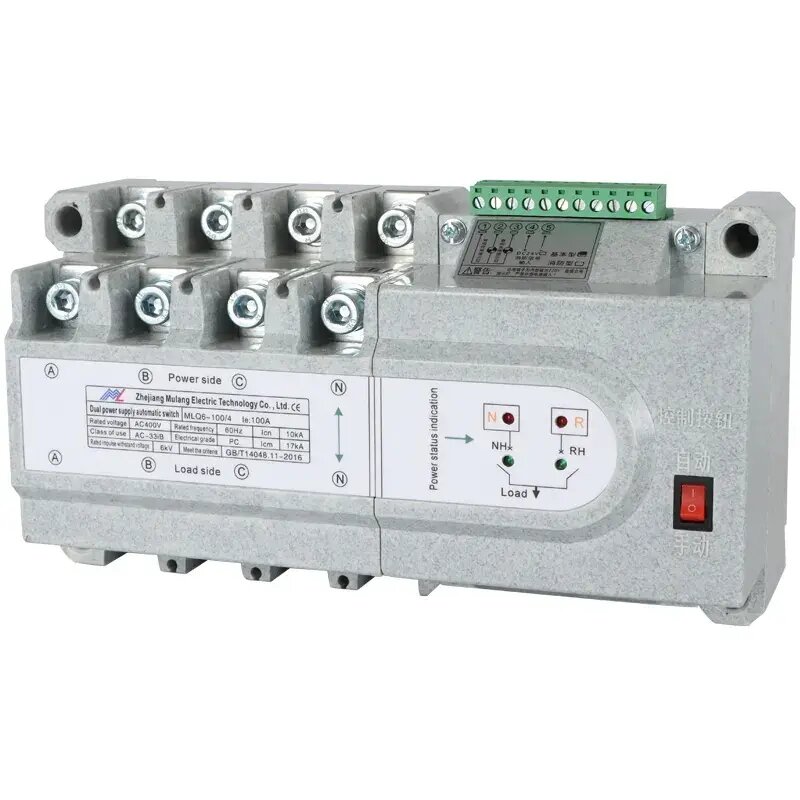
A whole house generator combined with an ATS offers numerous advantages:
An ATS ensures your home receives power within seconds during an outage, which is particularly crucial for medical equipment users or those in areas with frequent severe weather.
By eliminating manual intervention and preventing backfeeding, an ATS safeguards your appliances and protects utility workers from electrical hazards.
Automatic switches save time and effort during emergencies, unlike manual setups where switching between the grid and generator requires constant attention.
Installing a generator with an ATS boosts overall property value, appealing to buyers in regions prone to outages.
The cost of installing an ATS varies based on the switch’s features, its compatibility with your generator, and labor rates. Here’s a general breakdown:
To ensure safety and compliance, always hire a licensed electrician for installation. Incorrect installation can void warranties and pose electrical risks.
Whether upgrading or installing for the first time, consider the following:
The size depends on your generator’s power output and your home’s electrical load. Consult a licensed electrician for accurate calculations.
Installation typically takes 4 to 8 hours but may vary based on your home’s electrical setup.
DIY installation is possible but not advisable. Professional installation minimizes risks and ensures compliance with safety standards.
For those facing regular outages or requiring whole-home power, an ATS offers reliability, convenience, and safety, making it a worthwhile investment.
An automatic transfer switch for a whole house generator is not just a convenience but a necessity for uninterrupted power and enhanced safety during outages. Its seamless operation and peace of mind far outweigh the initial costs, especially in the long term. Consult a licensed electrician to identify the best option for your home’s unique needs and power requirements.
Contact us