Date:Mar-21-2026
When it comes to ensuring the smooth and reliable operation of your solar power system, choosing the right transfer switch can make a world of difference. An Automatic Solar Transfer Switch (ASTS) is a game-changer that provides seamless switching between your primary power source and backup solar generator. But how does it compare with a traditional manual transfer switch? In this article, we’ll explore the differences, advantages, and common applications of both and help you determine which option best suits your needs.
An Automatic Solar Transfer Switch, often referred to as an Automatic Transfer Switch (ATS), is a device designed to automatically detect a power outage and switch between the primary power source (grid or generator) and the backup solar power source. This process happens without any manual intervention, ensuring users experience minimal or no interruption in electricity supply.
Typically, an automatic transfer switch ATS is used in grid-tied solar systems or hybrid solar systems where backup generators are involved. The switch monitors the availability and stability of the main power supply. If an issue arises, the ATS instantly activates the backup solar energy system and restores power to connected loads.
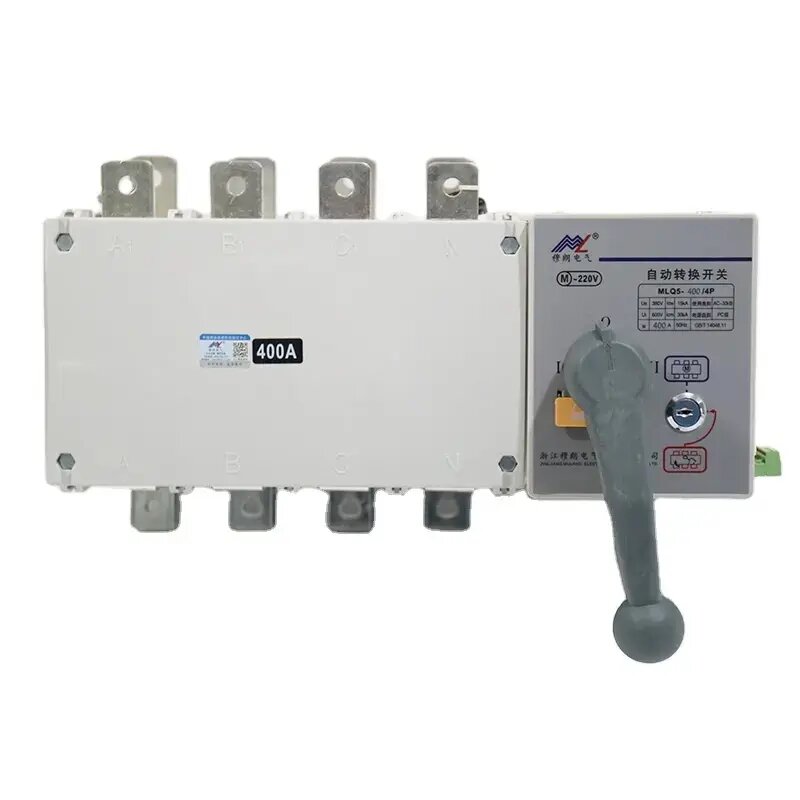
Why opt for an Automatic Solar Transfer Switch? Here are some compelling reasons:
A manual transfer switch, on the other hand, requires human intervention to change the power source. In the event of an outage, you’ll need to physically switch from the grid or your primary source to the backup solar generator.
Although it provides the same basic functionality as an ATS—allowing power to be supplied by a backup source—a manual transfer switch requires more effort, attention, and time to operate, which may not always be feasible during emergencies.
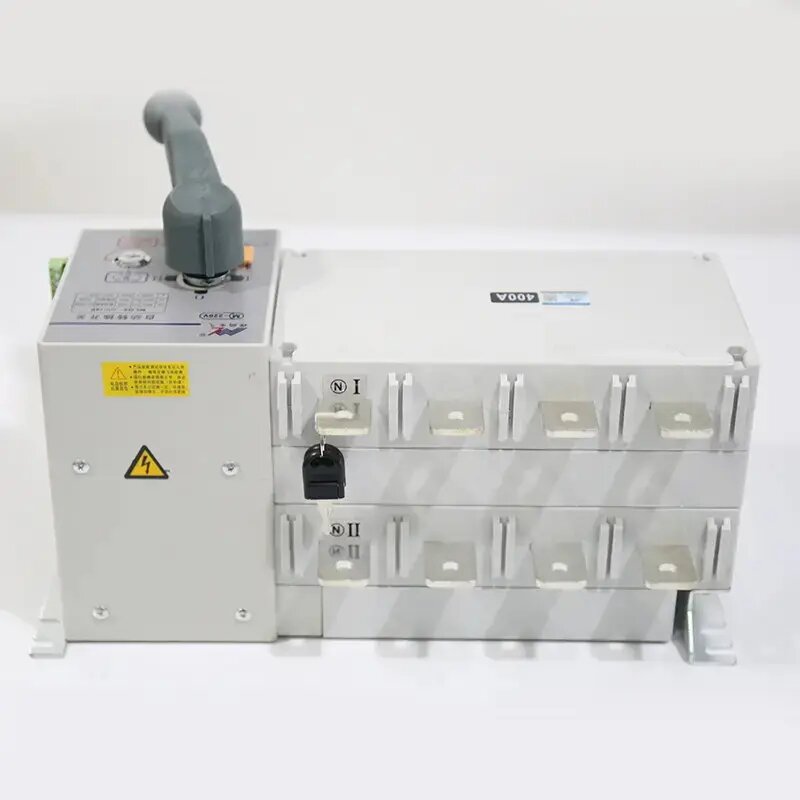
| Feature | Automatic Solar Transfer Switch | Manual Transfer Switch |
|---|---|---|
| Ease of Use | Fully automated; no user action required | Requires manual operation |
| Response Time | Immediate | Depends on user availability |
| Safety | Minimizes risk of user error | Higher risk of improper handling |
| Cost | Higher upfront cost | Lower upfront cost |
| Convenience | Extremely convenient | Less convenient |
An Automatic Solar Transfer Switch works in three key steps:
The entire process happens in real-time, minimizing disruptions and ensuring that power-dependent devices continue running without hindrance.
Before deciding between an automatic and manual transfer switch, consider the following factors:
An ASTS eliminates the need for manual intervention by detecting outages and instantly switching to the backup power source. This saves valuable time during emergencies, ensuring a seamless flow of power.
Yes, many ASTS systems are specifically designed for residential use, providing families with uninterrupted access to solar energy during outages.
Most automatic switches require minimal maintenance. Regular inspections to ensure connections are secure and the system is functioning correctly are recommended.
Installation of an ASTS should be done by a licensed electrician to ensure it is configured correctly and safely integrated with your solar and grid systems.
Choosing between an Automatic Solar Transfer Switch and a manual transfer switch boils down to your specific requirements, budget, and convenience preferences. An ASTS offers seamless, automated operation ideal for critical applications and busy lifestyles, while a manual switch provides a more cost-effective solution for non-critical systems. Regardless of your choice, both options contribute to reliable power management and energy efficiency in solar systems. Investing in the right transfer switch ensures your solar power system performs optimally, no matter the situation.
Contact us